
Independent refrigerator buying guides
Find the Right Refrigerator at the Right Price
Honest, research-based reviews and buying guides for French door, side-by-side, counter-depth and mini fridges, freezers and wine coolers. We compare specs, energy data and thousands of verified owner reviews so you can buy with confidence.
Browse Refrigerators How We Test
- No paid rankings
- ENERGY STAR data checked
- Updated for 2026
Before you buy
Measure 3 things first
- Width & height of the opening, plus 1 inch of air space on top and sides
- Depth to your countertop edge (about 24 to 25 inches for a counter-depth look)
- Door swing and every doorway on the delivery path
Shop by style
Browse Refrigerators by Category
Start with the fridge style that fits your kitchen, then compare the best models in each category.
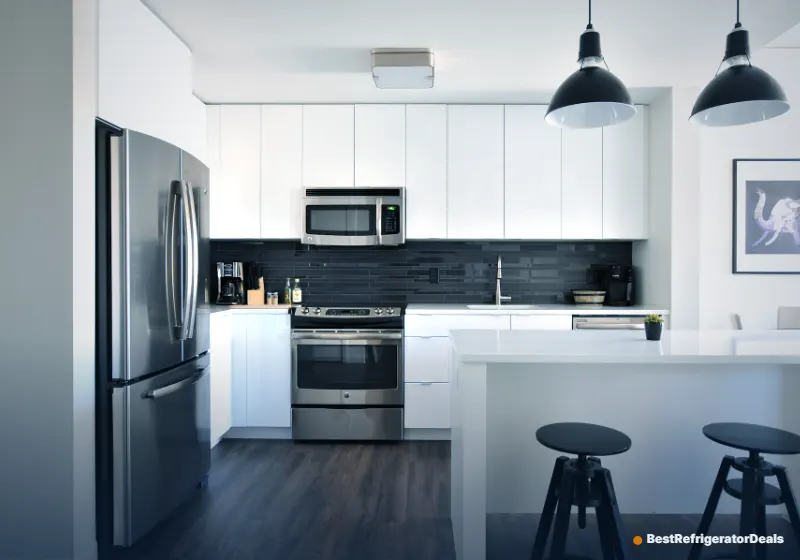 French Door RefrigeratorsWide fresh-food space with a bottom freezer drawer
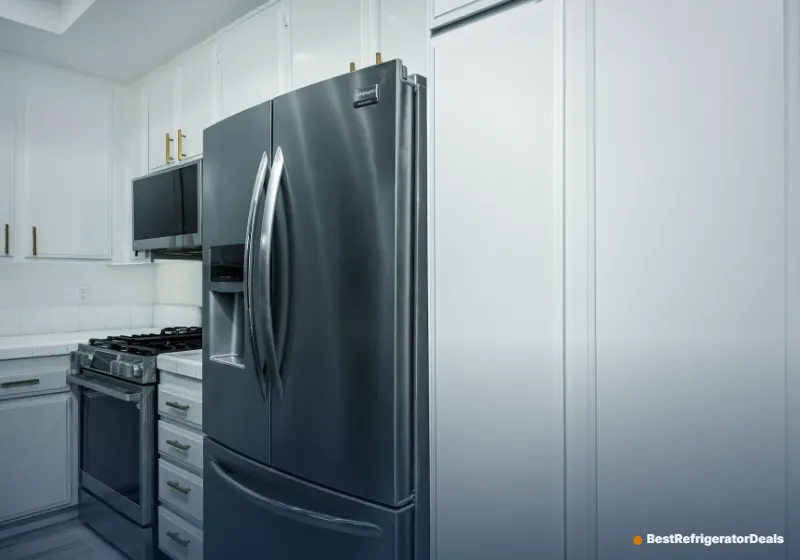 Side-by-Side RefrigeratorsNarrow doors and eye-level freezer storage
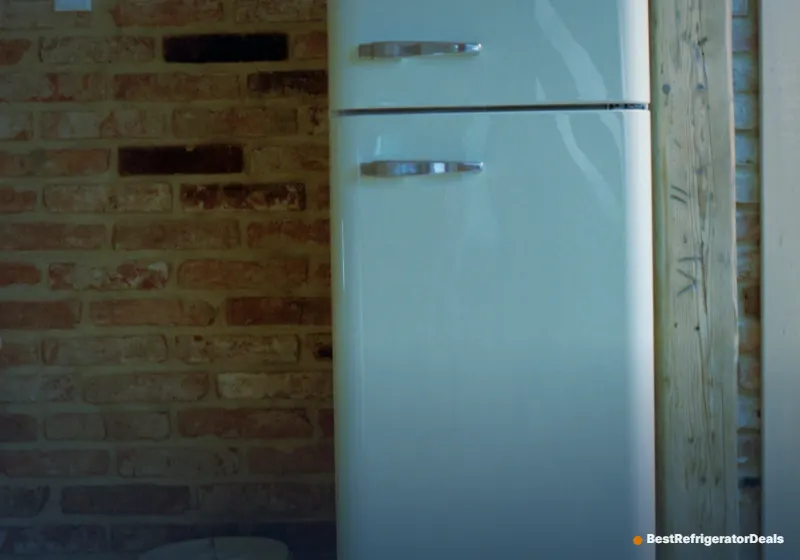 Top & Bottom FreezerThe most affordable and efficient full-size fridges
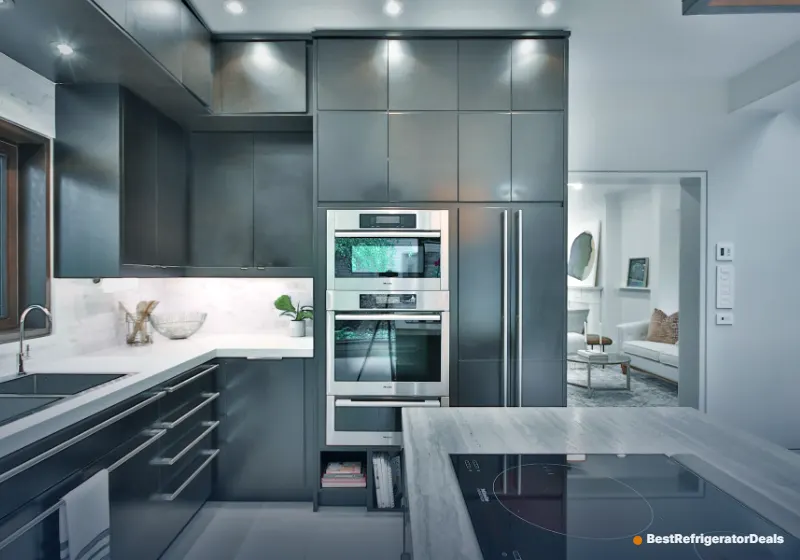 Counter-Depth RefrigeratorsA flush, built-in look for modern kitchens
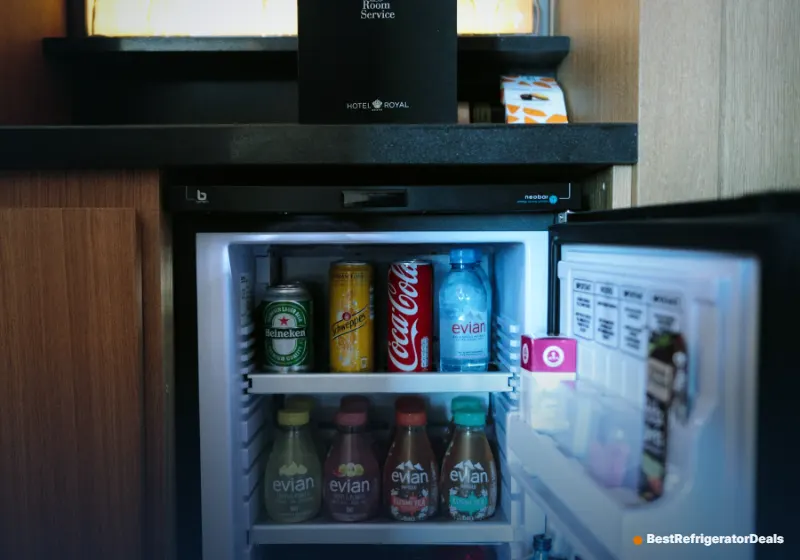 Mini & Compact FridgesFor dorms, offices, bedrooms and bars
 FreezersChest and upright freezers for bulk storage
 Beverage & Wine CoolersBuilt-in and freestanding drink fridges
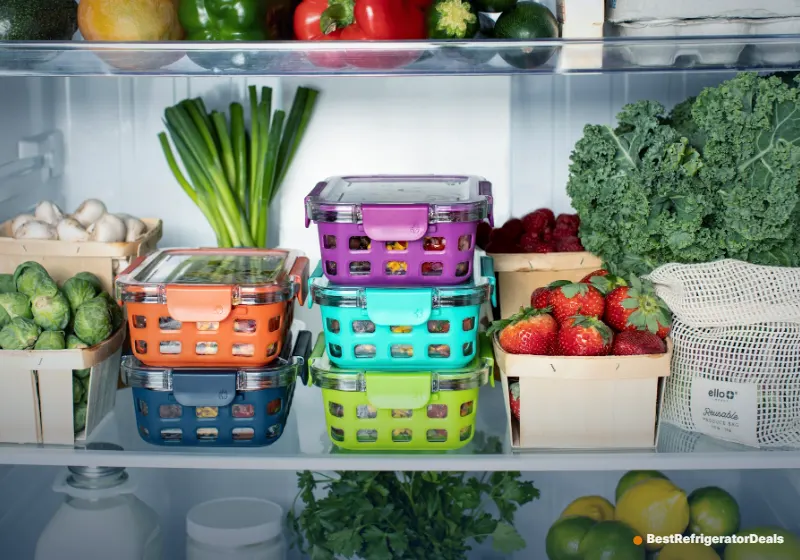 Buying GuidesSizing, energy use, comparisons and care tips
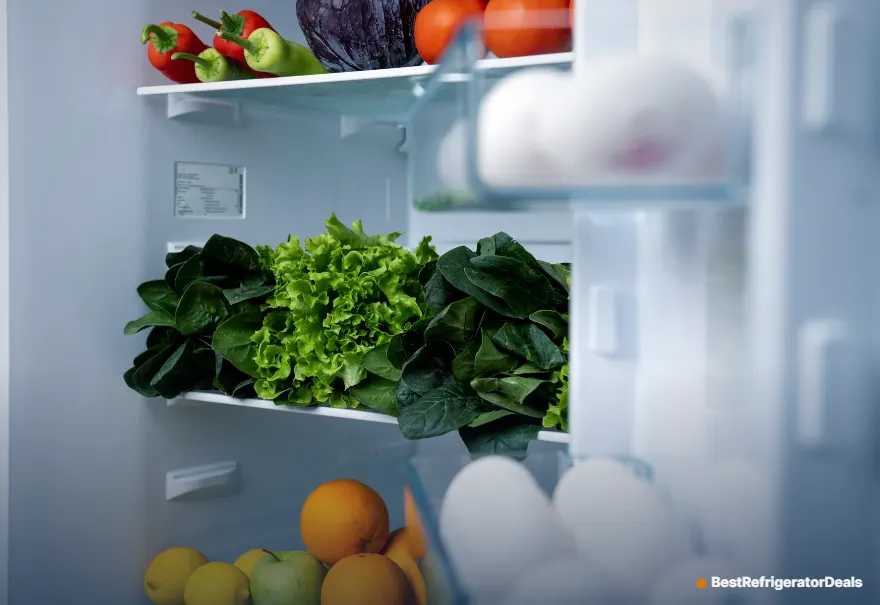
Our method
How We Choose What to Recommend
We do not run a lab, and we never pretend to. Every recommendation comes from a consistent, research-based method you can check yourself. Read the full method.
- Fit and capacityUsable cubic feet, shelf layout and exact dimensions, including door swing.
- Cooling performanceTemperature stability, dual evaporators and humidity-controlled crispers.
- Energy efficiencyENERGY STAR status and yearly kWh against similar models.
- ReliabilityRecurring problems in verified owner reviews, recalls and warranty terms.
- ValueWhat you get for the price, and whether a sale is really a deal.
Quick comparison
Refrigerator Styles at a Glance
Typical ranges for full-size and compact models sold in the U.S. Always confirm the exact dimensions of the model you choose.
| Style | Typical capacity | Typical width | Best for |
|---|---|---|---|
| French door | 20 to 30 cu ft | 30 to 36 in | Families, wide platters, an eye-level fresh-food section |
| Side-by-side | 21 to 28 cu ft | 33 to 36 in | Narrow kitchens where large doors cannot swing open |
| Top freezer | 10 to 21 cu ft | 24 to 33 in | Tight budgets, rentals and lowest energy use |
| Bottom freezer | 17 to 25 cu ft | 30 to 33 in | Fresh food at eye level without French door prices |
| Counter-depth | 15 to 23 cu ft | 30 to 36 in | A built-in look in modern and open-plan kitchens |
| Mini / compact | 1.6 to 4.5 cu ft | 17 to 24 in | Dorms, offices, bedrooms and home bars |
Meet our editor
Who Researches Our Refrigerator Guides

Callum Thorneby
Home Appliance Research Specialist
Callum covers refrigerator comparisons, buying guides, energy efficiency, storage capacity and deals across popular brands and styles. He believes buyers should look beyond the advertised price and weigh long-term operating costs, kitchen dimensions, storage needs, warranty coverage and the features that genuinely improve everyday use.
Read Callum's profile →Questions
Refrigerator Buying FAQ
What size refrigerator do I need?
A common rule of thumb is about 4 to 6 cubic feet of total refrigerator space per adult in the household, plus extra if you cook at home often or buy in bulk. A family of four usually does well with 20 to 25 cubic feet. Measure your space first, because the opening, not the capacity, is usually the real limit.
What is the difference between standard-depth and counter-depth?
Standard-depth refrigerators are usually about 30 to 36 inches deep and stick out past the counters. Counter-depth models are shallower, usually about 24 to 30 inches including doors, so they sit closer to flush with cabinets. The trade-off is less capacity for the same width.
Which refrigerator style is the most energy efficient?
Top-freezer refrigerators generally use the least energy for their size, while models with through-the-door ice and water dispensers tend to use more. Look for the ENERGY STAR label and compare the estimated yearly kWh on the yellow EnergyGuide label.
How long does a refrigerator usually last?
Most full-size refrigerators last roughly 10 to 15 years. Simpler designs with fewer features, such as top-freezer models without ice makers, often have fewer parts that can fail.
Do you earn money from your recommendations?
Yes. Some links are affiliate links, and as an Amazon Associate we earn from qualifying purchases, at no extra cost to you. Commissions never decide which products we recommend. See our Affiliate Disclaimer.
Not sure where to start?
Begin with our buying guides for sizing, styles and energy use, then narrow down to the best models.